
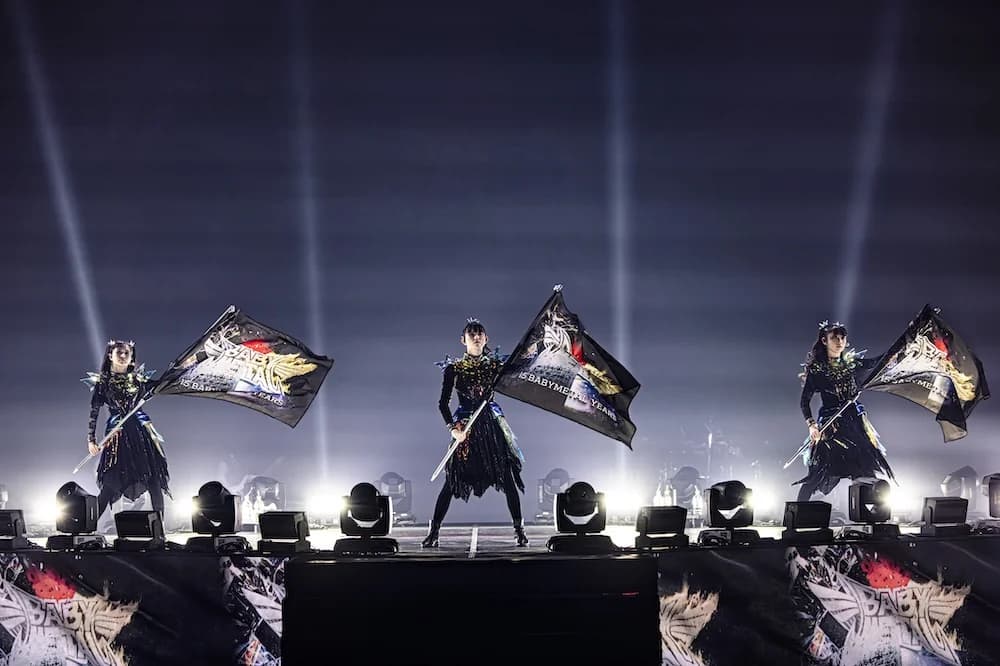
The Legacy
From improbable experiment to a force that changed metal (2010–2026)
BABYMETAL demonstrated that even a genre as protective of its boundaries as metal can be transformed from within by something that, at the time, seemed unthinkable.
An experiment that proved impossible to ignore
The history of BABYMETAL is, ultimately, the history of an idea that seemed impossible and yet worked. A project born at the margins of musical common sense ended up conquering some of the most prestigious stages in the world and forcing metal to reassess itself.
But that history is neither linear nor simple. It is made of conquests, yes, but also of losses, silences, reinventions and very real pain. The death of Mikio Fujioka, Yui's departure, the transformation of the Kami Band, the Avengers era and the rebirth with Momometal were not peripheral anecdotes — they were structural trials. And what is extraordinary is that BABYMETAL managed to go through them without losing its singularity entirely.
Few bands in recent history have been able to combine so effectively: strong visual identity, mythical narrative, stage discipline, artistic growth and capacity for adaptation.
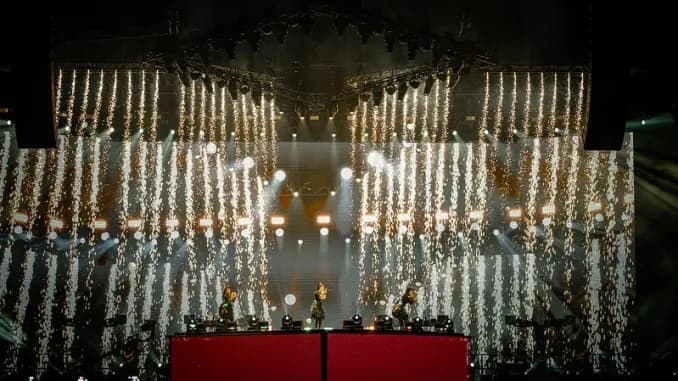 BABYMETAL at the world's most important stages throughout their career
The story continues
Today BABYMETAL no longer needs to prove that it is "real metal" or ask permission to exist. That discussion, which seemed central in its beginnings, has grown old. The band won that fight long ago. What remains now is its legacy: having expanded the map of what is possible within heavy music and having demonstrated that even a genre as protective of its boundaries can be transformed from within by something that, at the time, seemed unthinkable. The story of BABYMETAL remains open. And that, perhaps, is the best news of all.