The Multiverse and the Metal Forth Era
Rebirth, MOMOMETAL and the global legacy (2023–2026)
The Other One, MOMOMETAL's official announcement on Fox Day, Capitol Records and the Metal Forth era. BABYMETAL completed its transformation into a consolidated global actor in contemporary metal culture.
The Other One: darkness as a new language
At the beginning of 2023, the seal broke. The return came with The Other One, a conceptual album that was darker, more introspective and less reliant on the immediate contrast that had characterized the early years. If in the beginning the project fed on the friction between the childlike and the extreme, here the band was already presenting itself from a different place — more solemn, more atmospheric, more concentrated on its own symbolic universe.
That change was not accidental. BABYMETAL had grown — not just in age, but in language, in ambition and in experience. The era of The Other One conveyed the feeling of a band less interested in proving its oddness and more determined to deepen its identity.
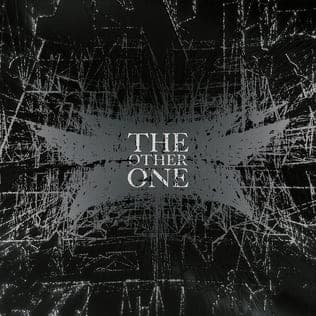 The Other One (2023): the return with a darker, more introspective sound
Fox Day: MOMOMETAL is official
The big moment for fans came on April 1, 2023 — Fox Day — when at BABYMETAL Begins it was officially announced that Momoko Okazaki would become MOMOMETAL. That incorporation carried enormous symbolic weight. After years of instability and transition, BABYMETAL recovered the form of a stable trio. It was not a return to the past, because history never comes back intact, but it was a restoration of balance.
The important thing is that MOMOMETAL did not appear out of nowhere as a cold substitution. Her legitimacy had been built throughout the Avengers era. She had demonstrated presence, discipline and understanding of the project. Her official status thus worked as the natural closure of a long transition.
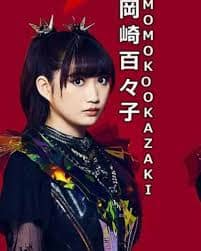 Fox Day, April 1, 2023: Momoko Okazaki officially becomes MOMOMETAL
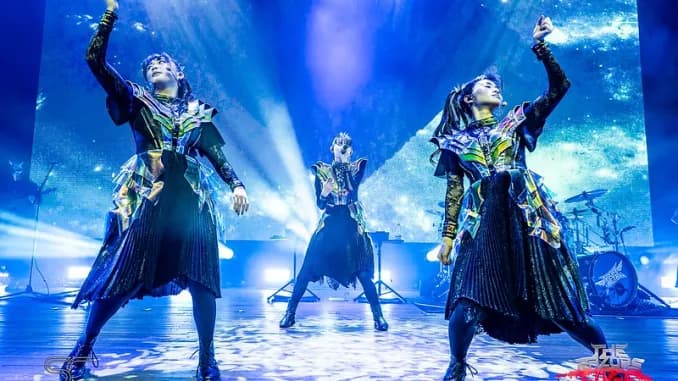 BABYMETAL in 2023: SU-METAL, MOAMETAL and MOMOMETAL — the new stable trio
Metal Forth: the consolidated global actor
With the Metalverse concept and the subsequent stage, the band deepened its own universe even further. It was no longer simply about being a fascinating anomaly within metal. BABYMETAL had become an artistic entity with internal logic, with narrative, with symbols and with a consolidated global ambition.
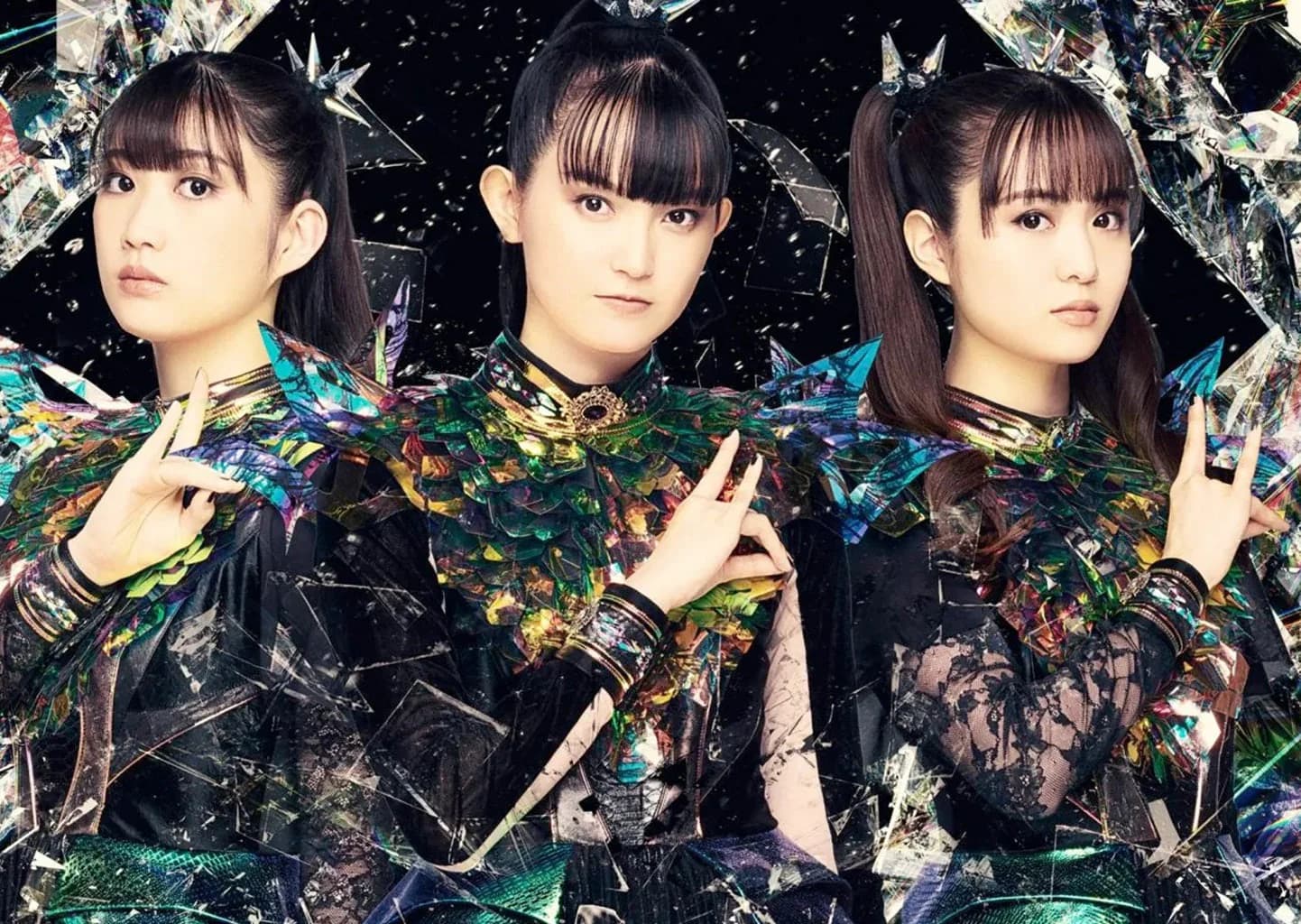
The Metal Forth era, associated with their fifteenth anniversary and a new phase of international expansion, fully demonstrated how much the project had transformed. The alliance with Capitol Records, collaborations with major figures in the heavy scene, and achievements on US charts confirmed something irreversible: BABYMETAL was no longer a Japanese curiosity observed with amazement. It was a global actor in contemporary metal culture.
And there its cultural impact also becomes visible. The band opened a new path for the circulation of Japanese metal in the international market, helped legitimize the term kawaii metal, challenged the most rigid notions of genre authenticity, and demonstrated that theatricality, choreography, pop and sonic aggression could coexist without canceling each other out. Many later acts were born, directly or indirectly, under the shadow of that precedent.
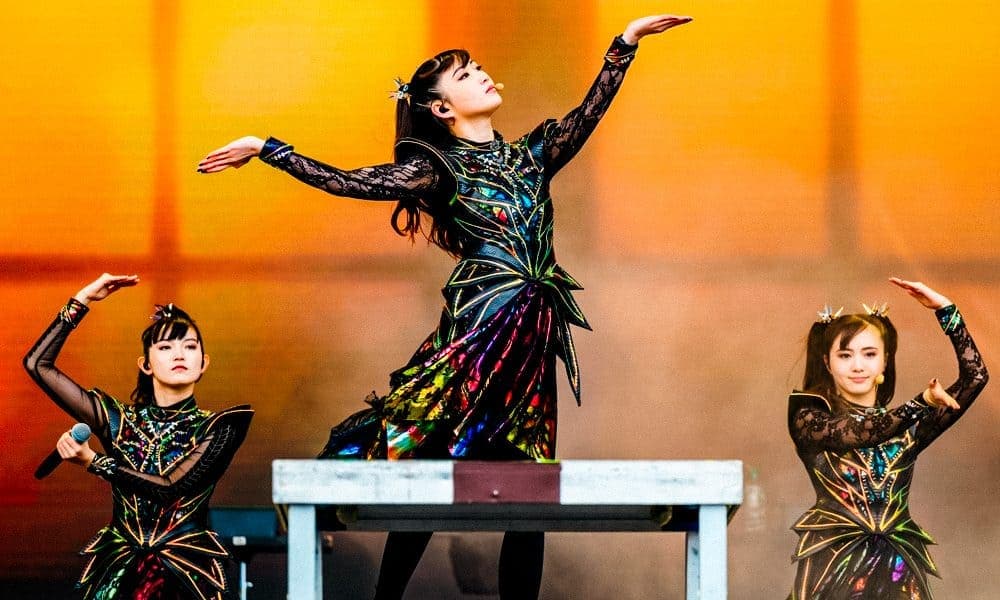 BABYMETAL in the Metal Forth era, consolidated as a global force in contemporary metal